Data Doesn’t Become a Submission Just Because It’s Structured
One of the biggest misconceptions in clinical development is the belief that once data is standardized, the hard work is done.
After all, most organizations already have:
- SDTM datasets
- ADaM datasets
- Standardized data structures
- Centralized data platforms
- Modern analytics environments
Yet submissions are still slow.
Why?
Because data alone doesn’t explain how a clinical output should be constructed.
The information needed to create a submission-ready deliverable often exists outside the data itself.
And that’s where the bottleneck begins.
What’s Missing?
Consider a clinical table.
The underlying data may be fully available.
But the final output also depends on:
- Population definitions
- Treatment-emergent rules
- Statistical methodologies
- Derived variables
- Rounding conventions
- Study-specific assumptions
- Regulatory reporting requirements
None of these are obvious simply by looking at a dataset.
They represent clinical knowledge.
Historically, that knowledge has lived across specifications, SAPs, shells, programming conventions, and individual subject matter experts.
As a result, producing outputs becomes a process of interpretation rather than execution.
Why More Data Doesn’t Solve the Problem
Over the last decade, the industry invested heavily in data infrastructure.
The assumption was straightforward:
Better data access would lead to faster submissions.
But data platforms were designed to store, organize, and provide access to information.
They were never designed to understand how a table, narrative, listing, or report should be created.
That responsibility remained with people.
So while data became easier to access, output creation remained largely manual.
The bottleneck simply moved downstream.
The Missing Layer: Metadata
What enables GenAI to work in clinical environments is not access to more data.
It’s access to more context.
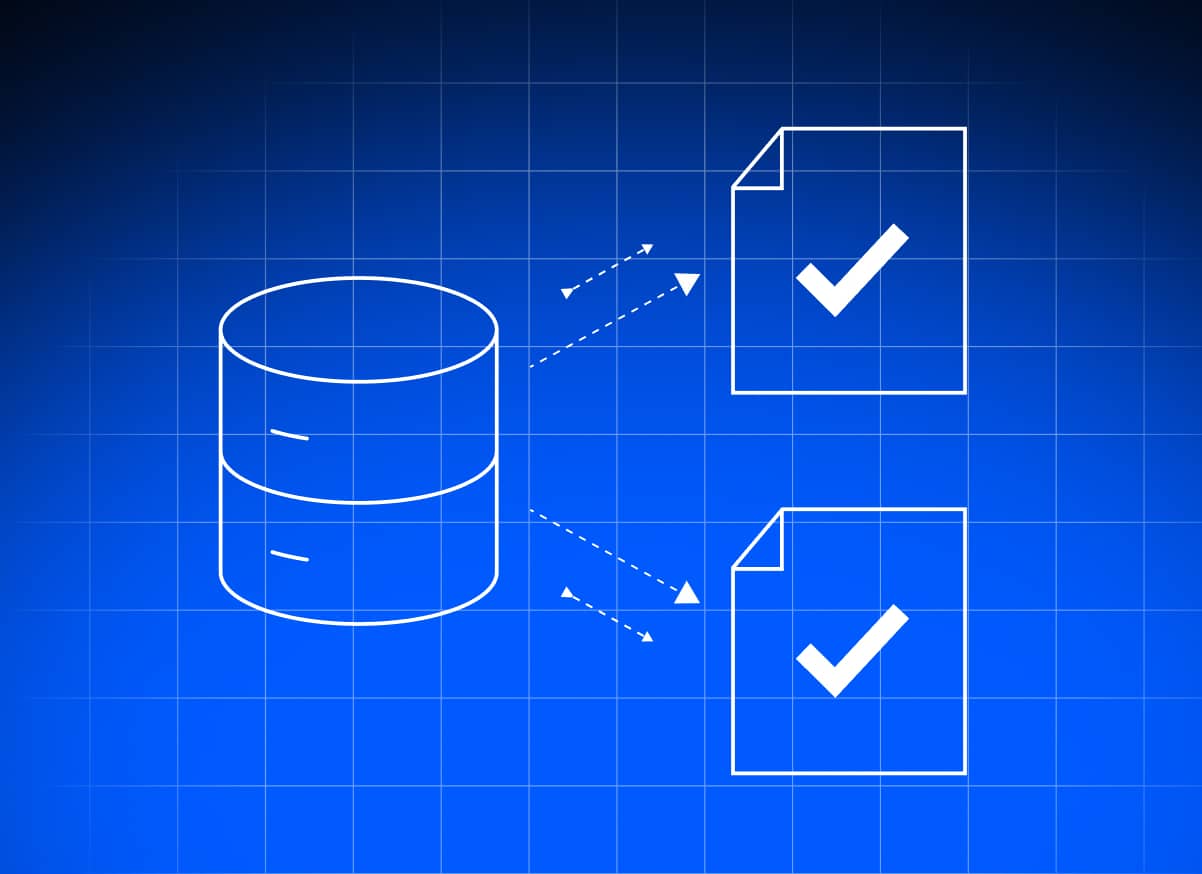
Metadata provides the bridge between raw data and finished outputs.
It captures:
- What the output represents
- Which populations should be included
- Which calculations should be applied
- Which assumptions govern the analysis
- How results should be presented
Once that context becomes structured, GenAI can begin transforming data into meaningful outputs.
Without metadata, data is simply information.
With metadata, data becomes actionable.
Why This Matters for GenAI
Many organizations evaluate GenAI by focusing on the model.
The more important question is:
Can the system understand the clinical context behind the data?
If it cannot, the output remains unreliable.
If it can, the process changes dramatically.
GenAI can:
- Interpret study-specific rules
- Apply statistical logic
- Generate draft outputs
- Provide traceability into assumptions
- Support review and validation workflows
The value comes not from generating text.
The value comes from generating outputs using structured clinical context.
From → To
From: Data as the foundation
To: Data + metadata as the foundation
From: Human interpretation of specifications
To: Structured interpretation of metadata
From: Manual output creation
To: AI-generated first drafts
From: Institutional knowledge trapped in documents
To: Reusable knowledge captured as metadata
From: Data platforms alone
To: Data platforms plus a GenAI execution layer
The Bottom Line
Clinical organizations have spent years solving how to store, standardize, and access data.
The next challenge is enabling that data to become usable outputs.
The missing ingredient isn’t more infrastructure.
It’s the metadata that provides meaning, context, and instructions.
Because data doesn’t turn into submissions automatically.
It never has.
The organizations that move fastest with GenAI will be the ones that recognize what sits between the two.