Clinical Teams Don’t Have a Data Problem. They Have an Output Problem.
Over the last decade, the industry invested heavily in data infrastructure.
SDTM.
ADaM.
Data lakes.
Centralized platforms.
Standardized pipelines.
Those investments worked.
Most clinical organizations can access structured data faster than ever before.
Yet one challenge remains stubbornly manual:
Turning that data into submission-ready outputs.
Whether it’s a CSR section, a narrative, a table, or a summary, the process often looks the same:
Extract data.
Interpret specifications.
Build content.
Review.
QC.
Revise.
Repeat.
The data moves quickly.
The outputs do not.
And that is where GenAI is beginning to change the equation.
The Real Shift: From Data to Metadata to Output
Many discussions about GenAI focus on models.
The more important question is:
How does GenAI understand what the data means? The answer is metadata.
Modern GenAI workflows don’t simply read datasets and generate text. They use metadata to understand relationships, definitions, populations, calculations, assumptions, and study-specific logic.
The process becomes:
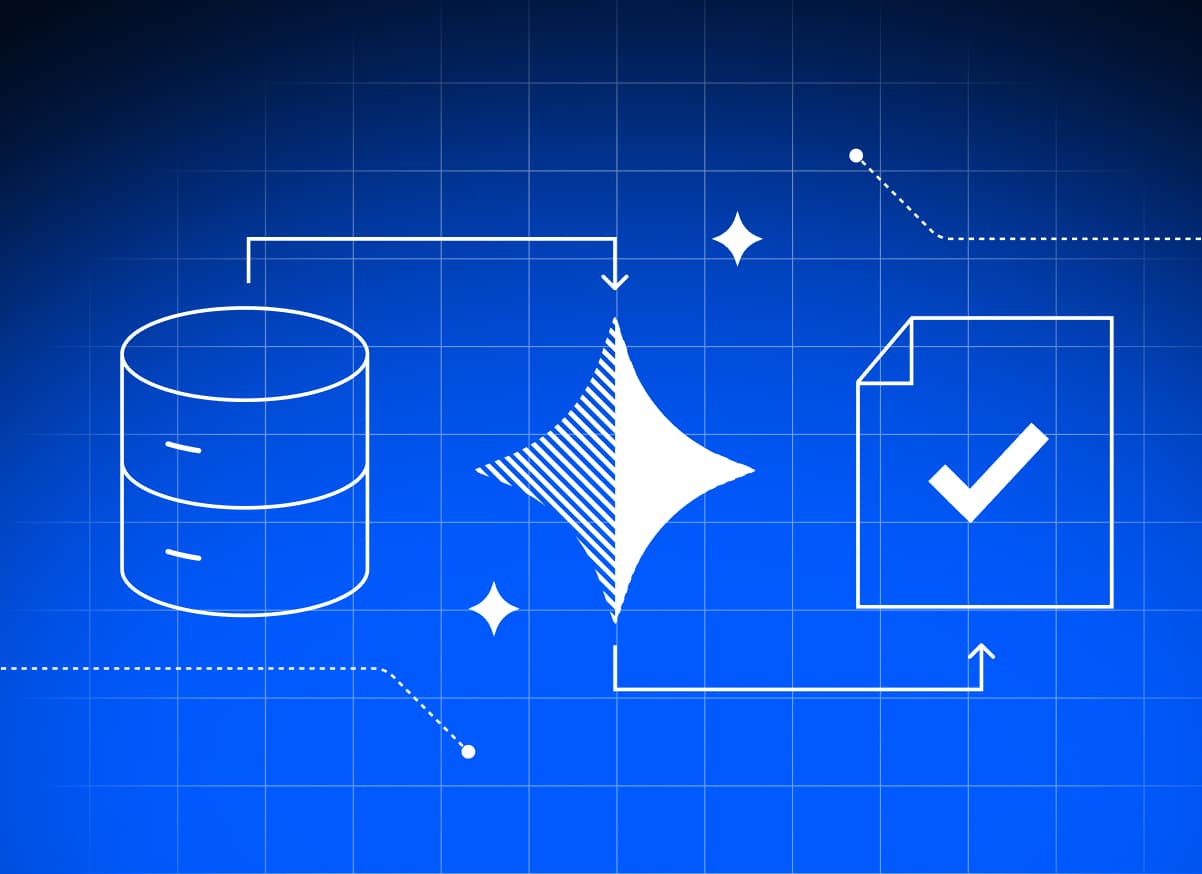
Data → Metadata → GenAI → Output
Instead of manually interpreting specifications and assembling content, GenAI can use structured context to generate outputs that are consistent, traceable, and ready for review.
The goal isn’t to replace human expertise.
It’s to eliminate the manual effort required to produce the first draft.
What Happens in Minutes Instead of Weeks
Traditionally, generating clinical outputs requires multiple handoffs across teams.
Writers interpret data.
Programmers create outputs.
Subject matter experts review logic.
QA validates results.
Each step introduces delay.
With GenAI-enabled workflows, much of the initial assembly can happen automatically.
Existing clinical data is provided to the system.
Metadata and study context are interpreted.
Outputs are generated.
Teams move directly into review, validation, and refinement.
The work shifts from creating content to evaluating it.
That changes both the speed and economics of output production.
Why This Is Easier to Deploy Than Most People Think
One of the biggest misconceptions about GenAI is that implementation requires a major transformation effort.
In reality, the most successful deployments often start much smaller.
A single use case.
A single workflow.
A single output type.
Organizations can begin generating value without rebuilding infrastructure, replacing systems, or redesigning established processes.
The technology operates alongside existing data environments, leveraging the investments teams have already made.
The objective is not to replace the current ecosystem.
It is to unlock more value from it.
The Shift Clinical Leaders Should Be Paying Attention To
For years, the focus of digital transformation was getting data into the right place.
Today, most organizations have achieved that.
The next challenge is turning data into usable outputs faster, more consistently, and with greater transparency.
That requires a new layer in the clinical technology stack.
Not another repository.
Not another data platform.
A GenAI layer that can interpret data, understand metadata, and generate outputs that humans can review, validate, and approve.
From → To
From: Data collection as the bottleneck
To: Output creation as the bottleneck
From: Manual construction of deliverables
To: AI-generated first drafts
From: Weeks to first output
To: Minutes to first output
From: Creating content
To: Reviewing and validating content
From: Data-centric workflows
To: Metadata-driven workflows
The Bottom Line
The most important GenAI breakthrough in clinical development isn’t better models.
It’s the ability to transform structured clinical data into usable outputs quickly, consistently, and with traceability.
The organizations that move first won’t necessarily have better data.
They’ll have a faster path from data to decision-ready and submission-ready outputs.
And that may become one of the most important competitive advantages in clinical operations over the next decade.